Drawing-Based Engineering Review
Review profile geometry, functional interfaces, machining allowances, critical dimensions, alloy/temper and finishing requirements before tooling decisions.
ENGINEERING-DRIVEN CUSTOM ALUMINUM MANUFACTURING
From Drawing Review to Finished Aluminum Components
Looking for a reliable custom aluminum extrusion manufacturing partner in China? Chengdacai supports drawing-based OEM aluminum extrusion projects through its experienced engineering and quality assurance teams and long-term specialized extrusion, CNC machining and finishing partners.
We help buyers review manufacturing feasibility, clarify tooling and machining requirements, coordinate production stages and plan inspection around approved drawings. Every project is evaluated according to its profile design, quantity, finishing needs and delivery requirements.
DFM Review · Custom Tooling · Aluminum Extrusion · CNC Machining · Surface Finishing
2D PDF / DWG · 3D STEP / STP / IGS

01 WHY CHENGDACAI
Custom aluminum extrusion sourcing involves more than finding a press that can produce a cross-section. Drawings must be checked, manufacturing steps aligned, critical dimensions agreed and finished parts inspected against the approved requirements.
Chengdacai is an engineering-driven custom aluminum extrusion solution provider specializing in drawing-based OEM projects. Our experienced Sales, Engineering, and Quality Assurance teams support customers throughout the entire process, from drawing review and DFM evaluation to tooling development, production coordination, CNC machining, surface finishing, and quality inspection.
With an engineering manager bringing over 20 years of industry experience, we are committed to providing practical engineering solutions, responsive communication, and reliable quality control from prototyping to mass production.
Review profile geometry, functional interfaces, machining allowances, critical dimensions, alloy/temper and finishing requirements before tooling decisions.
Coordinate extrusion, cutting, CNC machining, surface finishing and supporting sheet-metal fabrication when required by the approved project scope.
Clarify sample approval, dimensional and appearance requirements, inspection methods and requested documentation during project review.
Keep drawings, revisions, tooling requirements, quantities, delivery requirements and open technical questions aligned through a single project communication route.
Manufacturing resources are coordinated through Chengdacai's long-term partner network. They are not presented as company-owned production assets.
02 PROJECT MANAGEMENT
Share the cross-section, 2D drawing, 3D model if available, application, cut length, material, quantity and intended finish. We identify missing details and clarify the requirements needed for an accurate quotation.
Engineering and specialist tooling partners evaluate solid, semi-hollow, hollow or complex geometry, wall thickness transitions, corner radii, critical tolerances and machining access. Recommendations are discussed before any design change.
Where new extrusion tooling is required, the tooling route, samples, checking points and approval process are confirmed according to the project. Existing tooling can be evaluated if drawings and relevant specifications are provided; reuse is not assumed.
Arrange the approved extrusion route and any cut-to-length, drilling, tapping, milling, slotting, deburring, finishing or supporting fabrication required by the part drawing.
Coordinate checks against the approved drawing and agreed quality requirements. Confirm surface protection, labeling, packaging and shipping details appropriate to the finished parts.
Actual operations, sampling, documentation, MOQ and schedules depend on the drawing, tooling, material, quantities and manufacturing feasibility.
Discuss Your OEM Extrusion Project03 COORDINATED CAPABILITIES
We support custom solid, semi-hollow, hollow and complex aluminum extrusion profiles developed for customer-specific applications. Secondary processing may include precision cutting, CNC milling, drilling, tapping, slotting and deburring. Anodizing, powder coating, brushing and sandblasting can be reviewed according to surface and appearance requirements.
Common alloy families reviewed for extrusion projects include 6063, 6061, 6005/6005A and 6082. Alloy, temper and process availability must be confirmed for the specific design and quantity.
For profile structures, actual product examples and detailed DFM considerations, see our Custom Aluminum Extrusion Profiles Category. For the broader coordinated processing scope, see Manufacturing Capabilities.
04 QUALITY PLANNING

The most useful quality plan starts with the drawing and the way the component will be used. Our QA team coordinates with engineering personnel and manufacturing partners to identify the dimensions, surfaces and assembly interfaces that require attention.
Depending on the confirmed project scope, controls can include sample review, critical dimensional checks, hole and thread verification, coating or appearance inspection, assembly fit and final packing checks. Measurement resources available through the coordinated manufacturing network may include CMMs, calipers, micrometers, height gauges, thread gauges and coating thickness gauges.
Material certificates, dimensional reports, first-article records and other quality documents should be specified during RFQ and confirmed according to the issuing party and agreed project requirements. No particular report or certification is automatically promised for every order.
Review Quality Documentation05 OEM SUPPORT
An OEM extrusion project can involve multiple profiles, tooling revisions, machined interfaces and repeat orders. We review the drawing revision, part number, quantity, surface requirements and packaging expectations with the buyer to coordinate the next manufacturing stage.
Discuss several custom profiles or finished lengths within a project, with requirements evaluated per item.
Review changes in geometry, tolerances, finishing or machining before production planning.
Refer to approved drawings, samples and purchase specifications to clarify repeat-order expectations; available capacity and lead time are confirmed per order.
Review protective packing, cosmetic surfaces, labeling and long-profile transportation requirements for each project.
06 EVALUATING A PARTNER
The questions below are the ones buyers usually need answered before releasing a drawing for tooling. The table shows what Chengdacai reviews, and which information should be requested in writing rather than assumed.
| What to Check | Chengdacai's Approach | Supporting Information |
|---|---|---|
| Engineering & DFM | Drawing review checks profile geometry, interfaces, wall transitions, tolerances, alloy and temper, machining access and finishing before tooling is cut. | 2D PDF/DWG, 3D STEP/STP/IGS, critical dimensions, mating parts and the intended route. |
| Tooling | New tooling and existing-die reuse are reviewed separately. Die drawings, condition and ownership are confirmed; reuse is never assumed. | Existing die drawings or sample sections, alloy and temper, quantity and tooling ownership terms. |
| Quality Documentation | Inspection requirements are agreed from the drawing. First-article records, dimensional reports, material certificates and finish records are confirmed for the agreed scope; no certificate is promised automatically. | Document list, inspection plan, critical characteristics and the accepting party for each report. |
| Sample Approval | Samples are checked against the approved drawing for dimensions, appearance and function-critical features before production release. Any drawing change is agreed before the next stage. | Approved drawing revision, sample quantity, checking points and the signed approval record. |
| Project Coordination | One communication route keeps drawings, revisions, part numbers, quantities, finishing and delivery aligned through each stage. | Part list, revision history, quantity schedule, packaging and named technical and commercial contacts. |
| Manufacturing Capacity | Extrusion, CNC machining and finishing capacity is coordinated through a long-term partner network, including press lines and machining equipment. These resources are partner-owned, not Chengdacai-owned plant. | Capacity statement for the profile and quantity, press and equipment fit, and the proposed production site. |
Statements in this table describe how projects are reviewed and coordinated. Final feasibility, tooling, documentation, capacity, MOQ and schedule are confirmed for each project.
07 APPLICATIONS
Custom profiles can support industrial equipment, electronics, enclosures, decorative fittings, lighting and other applications when the required geometry and manufacturing route are feasible.
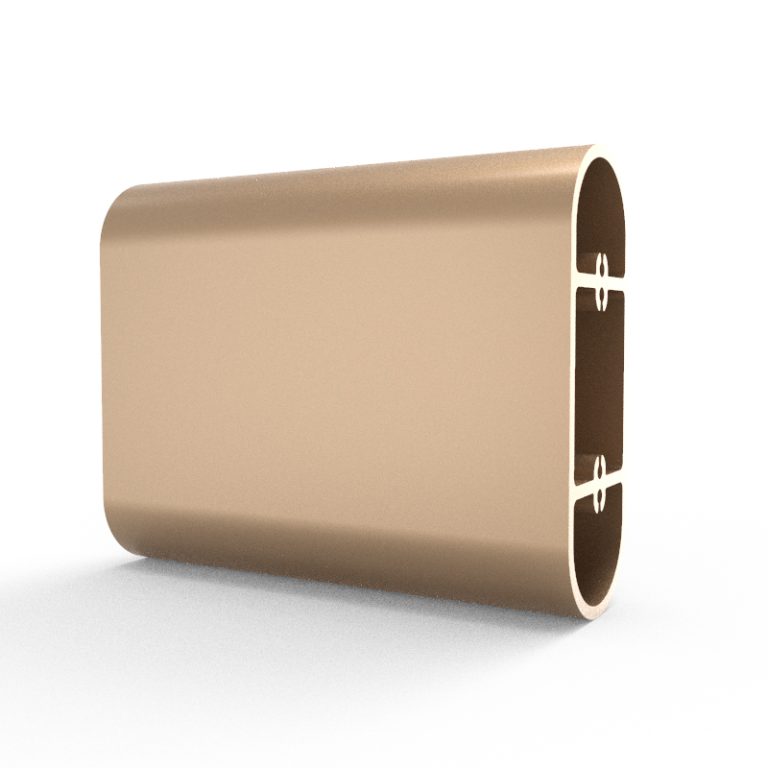
Published product example — see the drawing-based specification for this part.
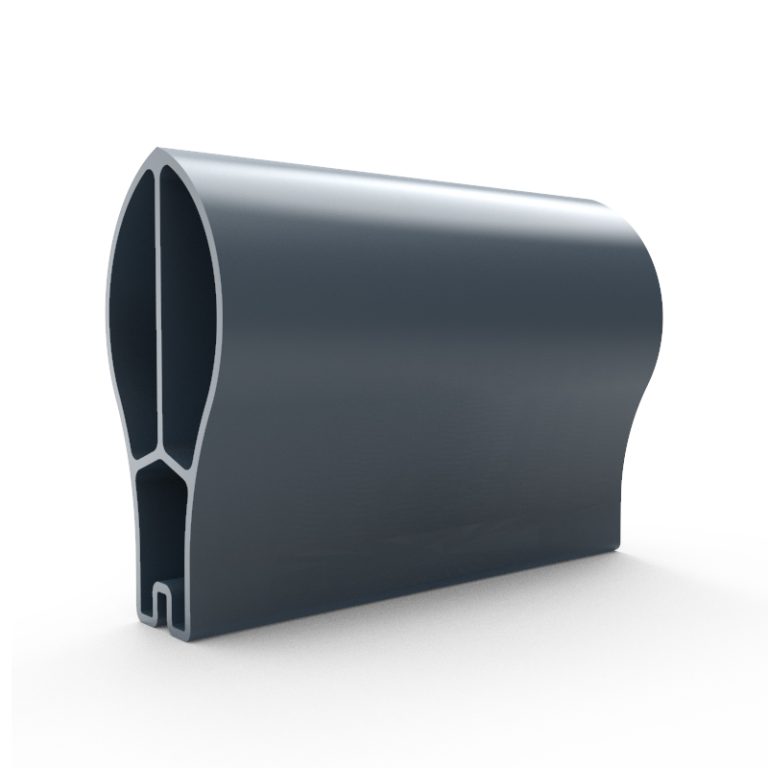
Published product example — see the drawing-based specification for this part.
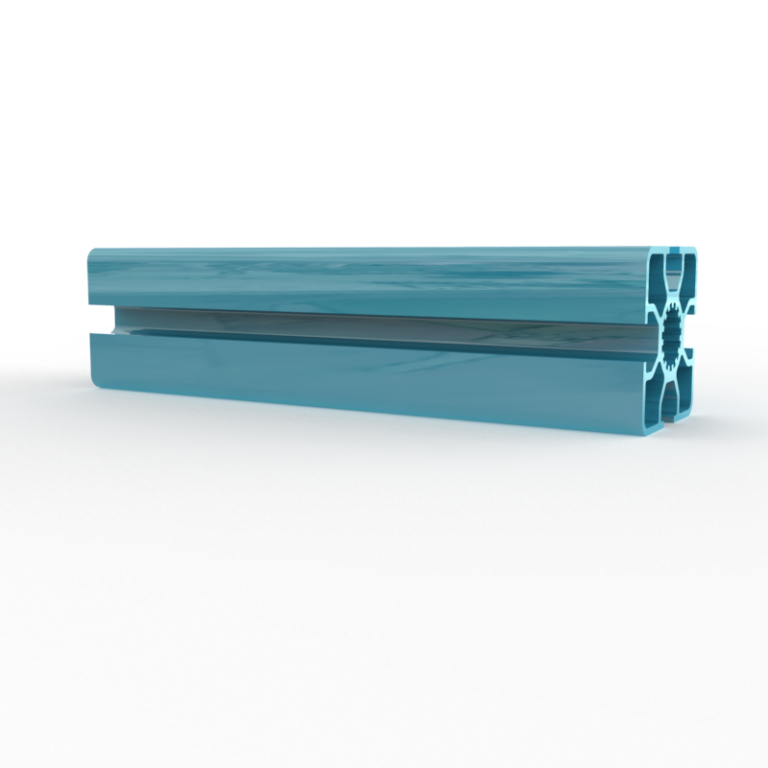
Published product example — see the drawing-based specification for this part.
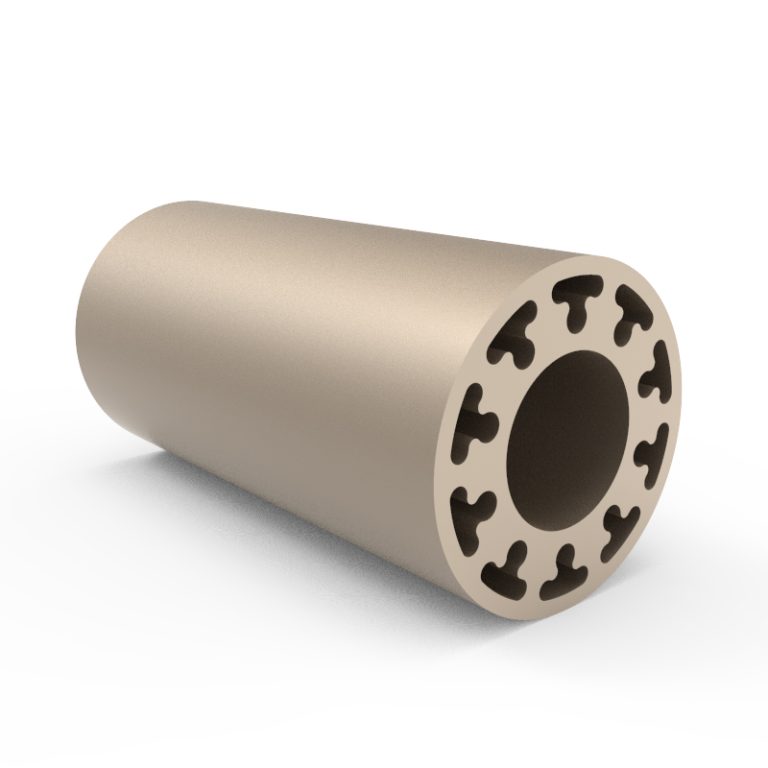
Published product example — see the drawing-based specification for this part.
Published product examples, not customer case studies.
08 THE BUYER'S RFQ
For engineering evaluation and more accurate pricing, please share as many of these details as available:
PDF / DWG, including cross-section and critical dimensions.
STEP / STP / IGS, particularly for CNC-machined or assembled parts.
Specified grade, if already known, or the functional requirements.
Anodizing, powder coating or other appearance/coating specification.
Profile/cut length, sample quantity, order quantity and estimated annual demand.
Tolerances, machining, mating parts, assembly and requested inspection documents.
Existing-die information if applicable, destination and packing expectations.
09 QUESTIONS
Chengdacai is an engineering-driven custom manufacturing partner with experienced sales, engineering and QA teams. We coordinate extrusion and related manufacturing operations with long-term specialized production partners in China. This structure allows us to support drawing review, processing coordination and quality requirements across an OEM project.
We can evaluate complex hollow or multi-cavity extrusion designs with specialist tooling and extrusion partners. Feasibility, material and tooling conditions must be confirmed after drawing review.
We can review existing die drawings and tooling information. Reuse depends on die condition, ownership, equipment compatibility and a technical assessment by the selected manufacturing partner.
Yes, we can coordinate these processing stages where they are suitable for the approved design and project requirements.
These depend on the profile geometry, tooling, alloy, finish, CNC operations, quantity and available partner capacity. Project-specific terms are confirmed after engineering review.
Long-length profiles can be reviewed. Feasibility depends on geometry, selected extrusion equipment, finishing route, straightness, packing and transportation requirements.
Material documentation, dimensional inspection reports and other project-specific records can be reviewed during quotation. Availability, issuing party, inspection scope and any required standards must be agreed for each project.
We can review repeat orders using approved drawings and confirmed project specifications. Quantity, capacity, tooling conditions, inspection needs and lead time are checked for each order.
10 NEXT STEP
Send us your drawing and project requirements. Our team can review the extrusion, tooling, CNC machining, finishing and quality considerations before preparing a project-specific quotation.
Final terms, technical feasibility, MOQ, production schedule and documentation are confirmed for each project.