
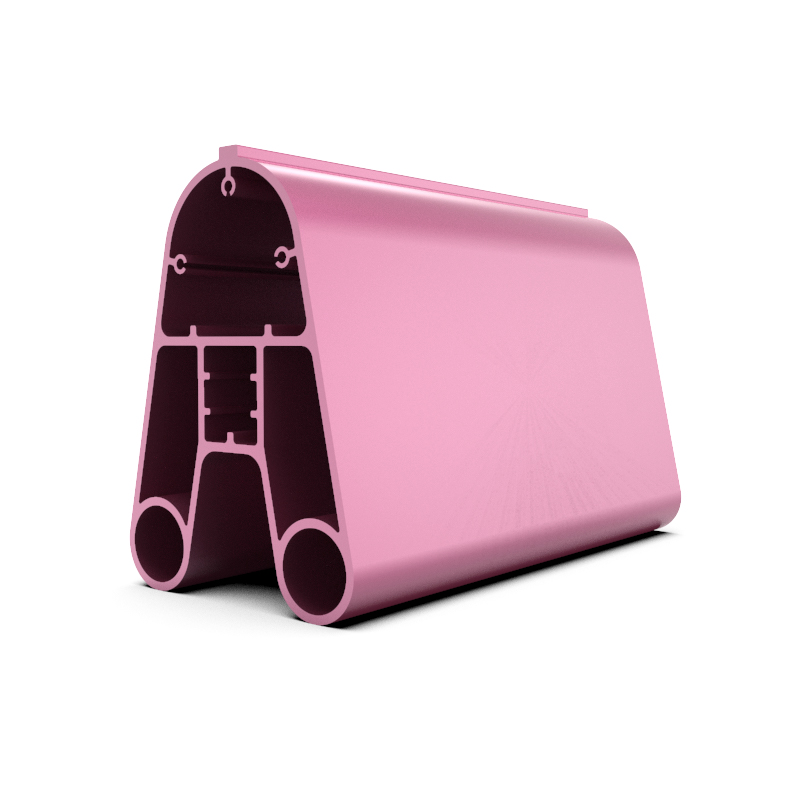
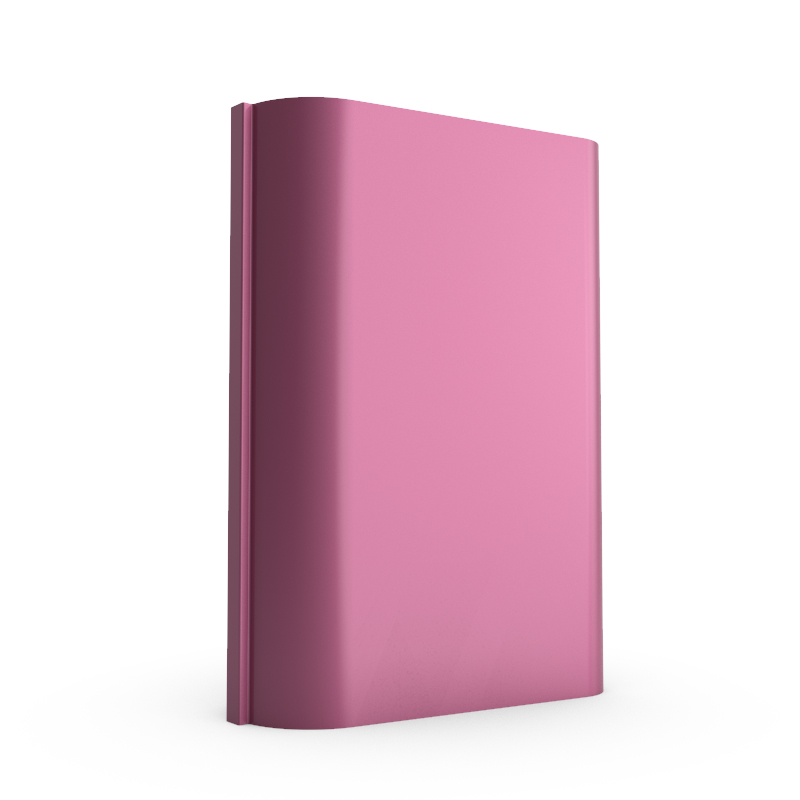
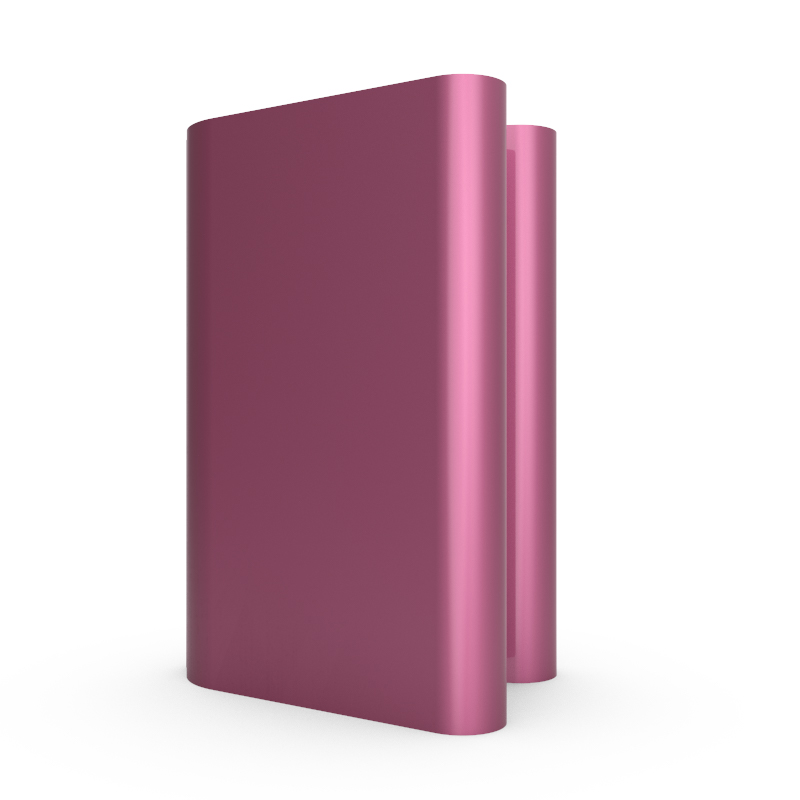
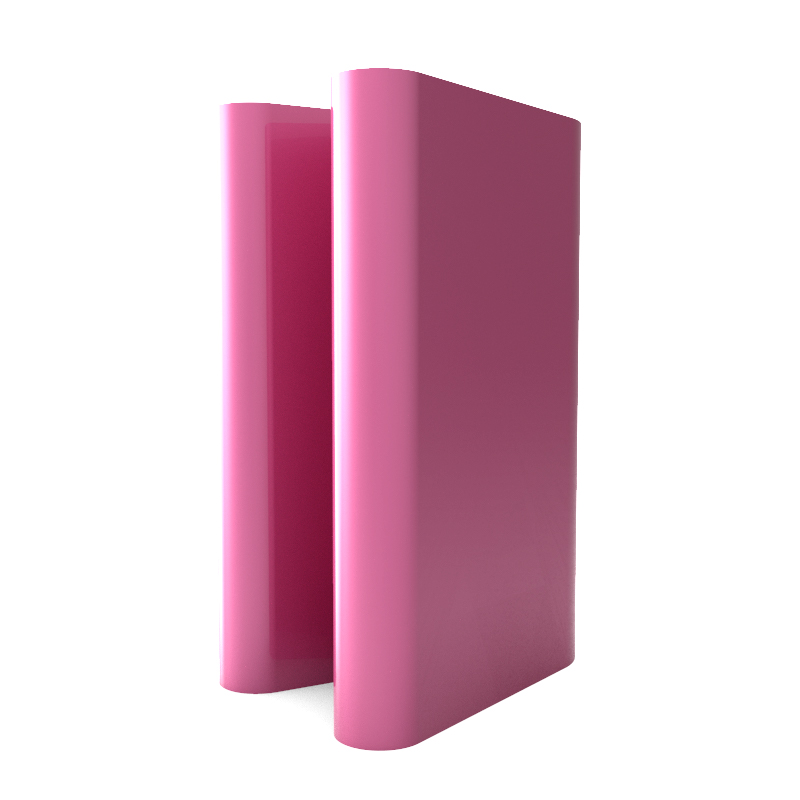
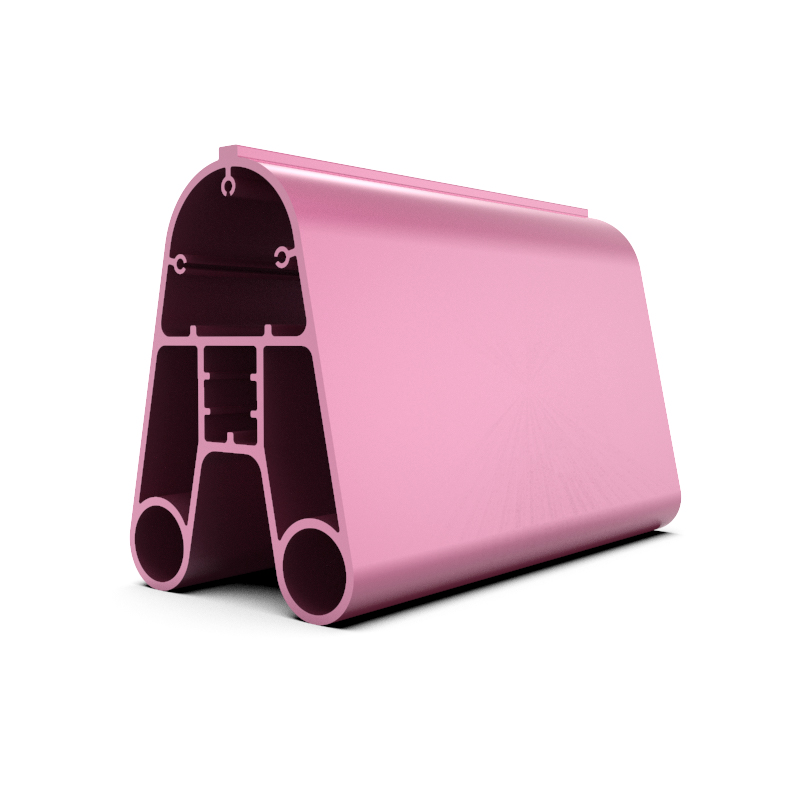
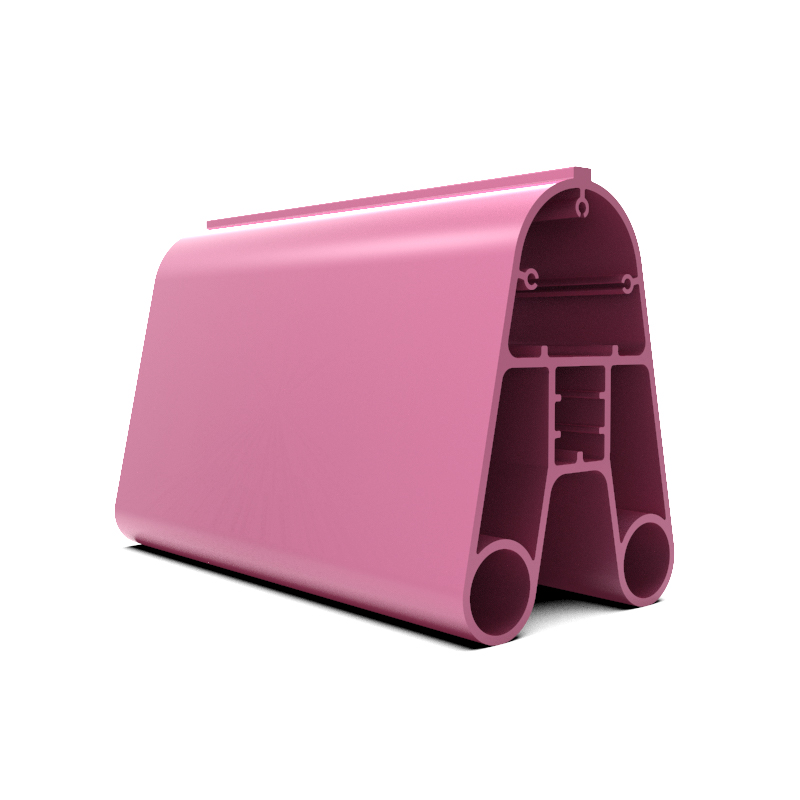
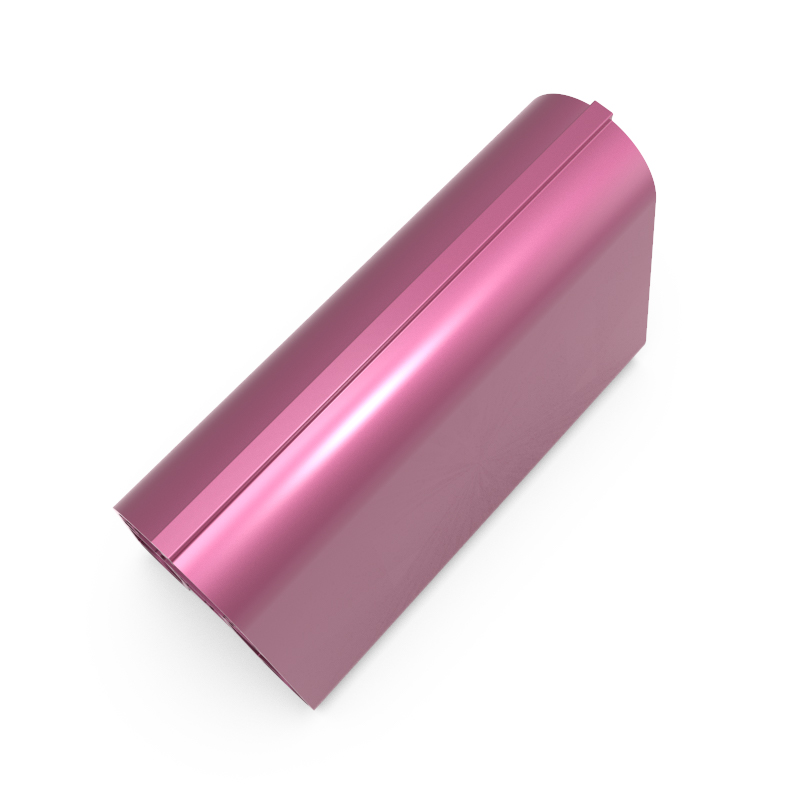
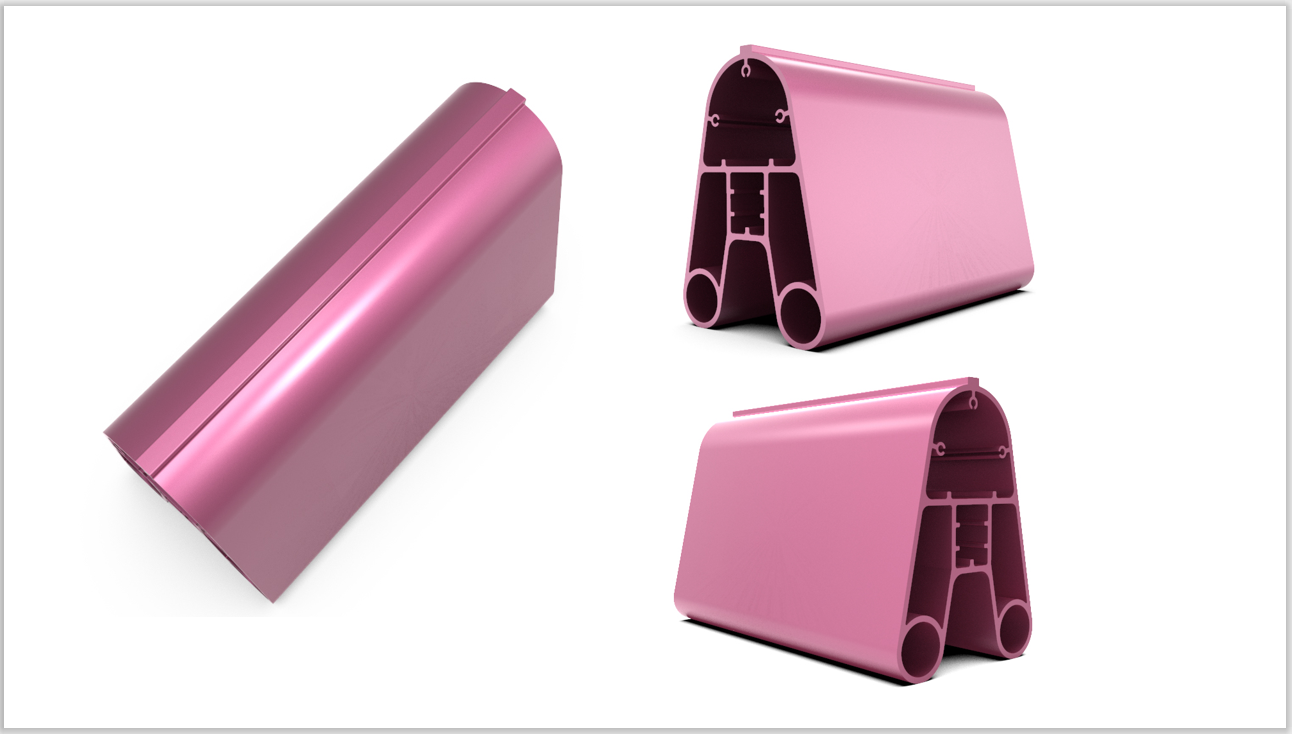
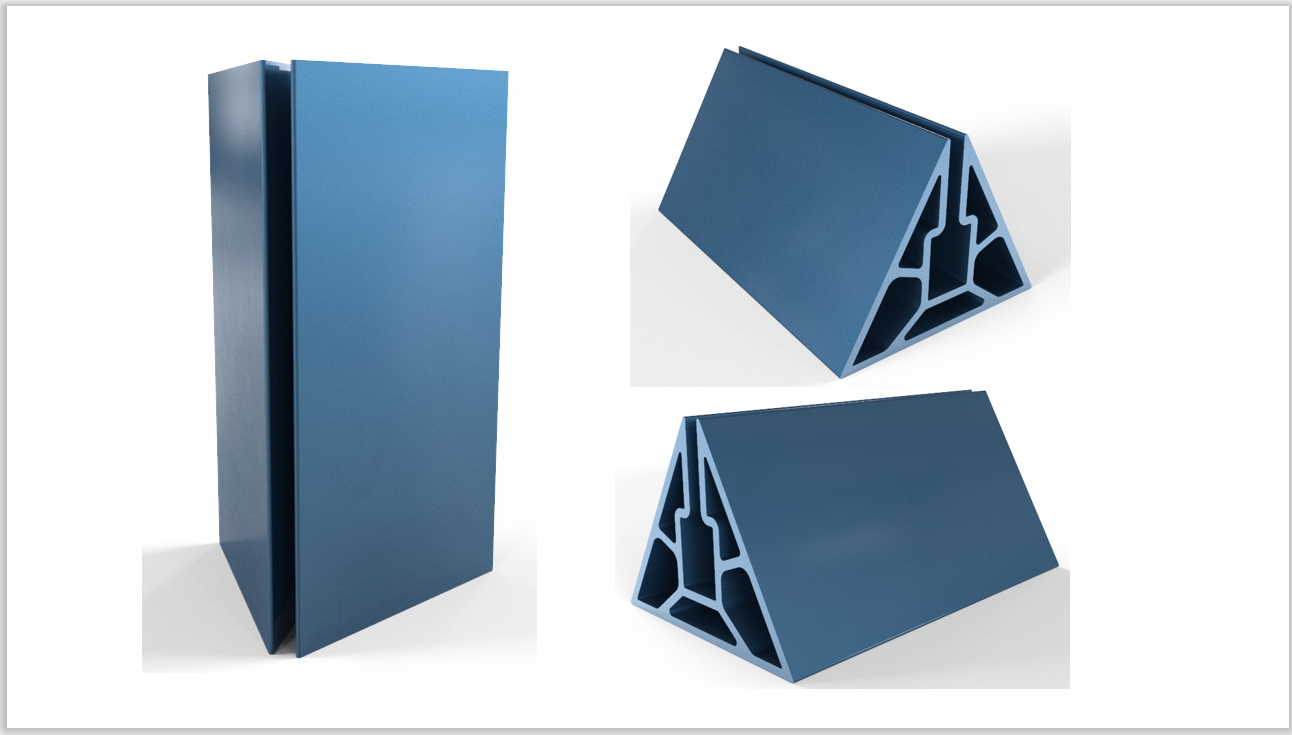
Inverter Cooling Channel Aluminum Enclosure
Custom aluminum inverter cooling channel enclosures with extruded thermal paths, CNC-machined ports and sealing interfaces for power converters and renewable-energy equipment.
- SKU
- CDC-575
- Available alloys
- 6061, 6063, 6082
- Surface finishes
- Anodizing, Powder Coating
- Secondary processing
- Extrusion Custom profile, internal channels, ribs and mounting geometry, CNC Processing Ports, manifolds, sealing faces, grooves, holes and threads, Cleaning & Finishing Deburring, controlled cleaning and specified surface treatment, Verification Dimensional inspection plus leak or pressure testing when specified
- Category
- Custom Aluminum Enclosures & Frames
Description
Chengdacai produces custom aluminum inverter cooling channel enclosures for power converters, energy-storage systems, renewable-energy equipment and industrial power electronics. Extrusion forms the enclosure and thermal-management geometry; CNC machining completes fluid ports, sealing faces, mounting holes and component interfaces.
Application and design review
Cooling-channel components require coordinated review of extrusion feasibility, heat transfer, flow path, sealing and corrosion conditions. Chengdacai manufactures to customer drawings and can highlight features that may affect tooling, machining access, sealing-surface stability or inspection.
Channel geometry: channel size, wall thickness and transitions should reflect required flow, pressure and thermal performance.
Sealing interfaces: O-ring grooves, gasket faces and cover interfaces need defined surface, flatness and dimensional requirements.
Port machining: inlet, outlet, sensor and drain ports can be drilled, milled or threaded after extrusion.
Material compatibility: alloy, coolant, fasteners and surface treatment should be reviewed as a system.
Information required for quotation
Provide the section drawing, overall dimensions, coolant or operating environment, alloy, finish, port details, sealing method, critical flatness and positional tolerances, leak/pressure test specification, prototype quantity and production forecast.
Frequently asked questions
Can internal cooling channels be formed by extrusion?
Potentially, yes. Channel layout must be reviewed for die feasibility, wall balance, cleaning access and the required pressure or leak performance.
Can Chengdacai machine ports and O-ring grooves?
Yes. CNC milling, drilling, threading and groove machining can be integrated after extrusion.
Can the enclosure be leak or pressure tested?
Yes, when the customer supplies a defined test specification including medium, pressure, hold time and acceptance criteria.
Should sealing faces be anodized?
That depends on the seal design and corrosion requirements. The drawing should identify masked, coated and post-machined areas.
What files are required for DFM review?
A dimensioned 2D drawing is essential; a 3D model, thermal requirements, coolant details and assembly information improve the review.
Related engineering resources
Related products
Technical guides
Industry applications
Request a quotation
Thank you — your RFQ has been received.
Our engineering team will review your drawing and reply within one business day. A confirmation has been sent to your email.
Need to reach us sooner? WhatsApp +86 15119686849 · chloe@chengdacai.com