
Custom Aluminum Profiles for Automated Doors & Wardrobes
By 管理 2026年9月14日 2026年9月14日 Custom aluminum profiles for automated doors and wardrobes can integrate guide tracks, frame geometry, handle features, mounting channels and hardware interfaces into repeatable extruded sections. This page helps door-system designers, furniture manufacturers and OEM buyers define the information needed for an engineering review.
Published 2026年9月14日
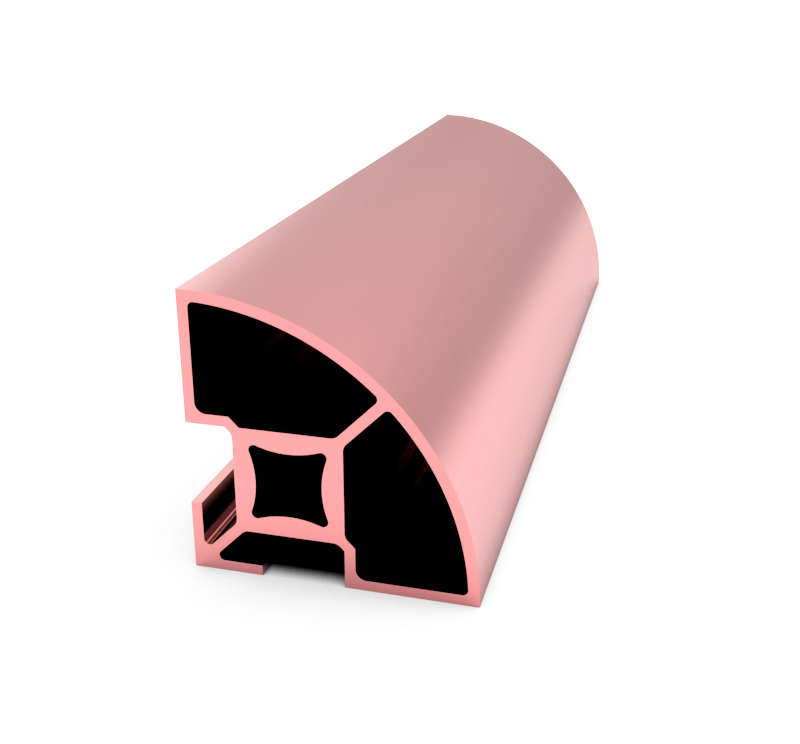
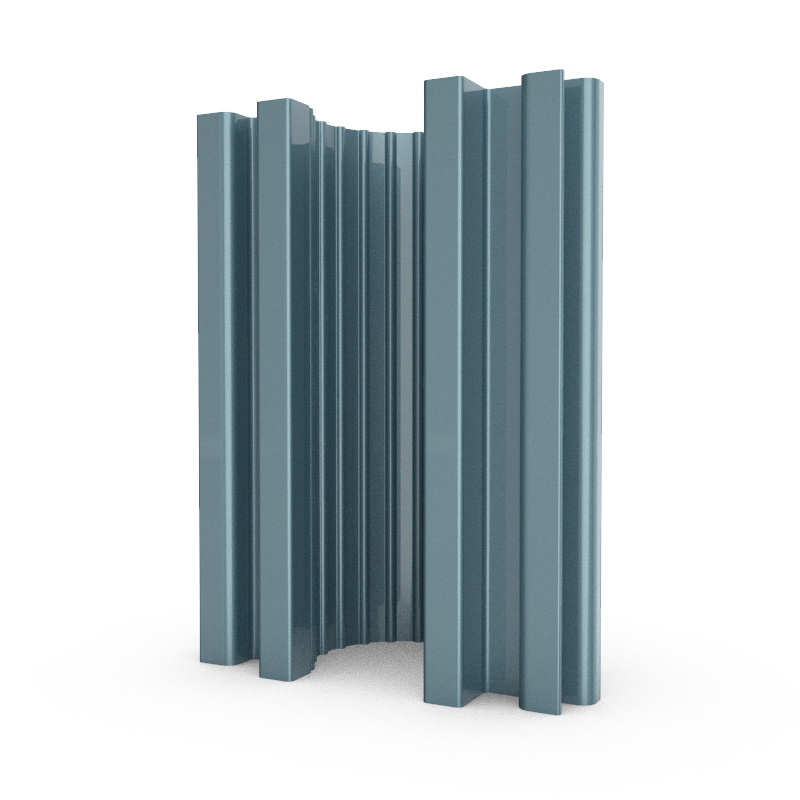
Multi-Angle Profile Gallery
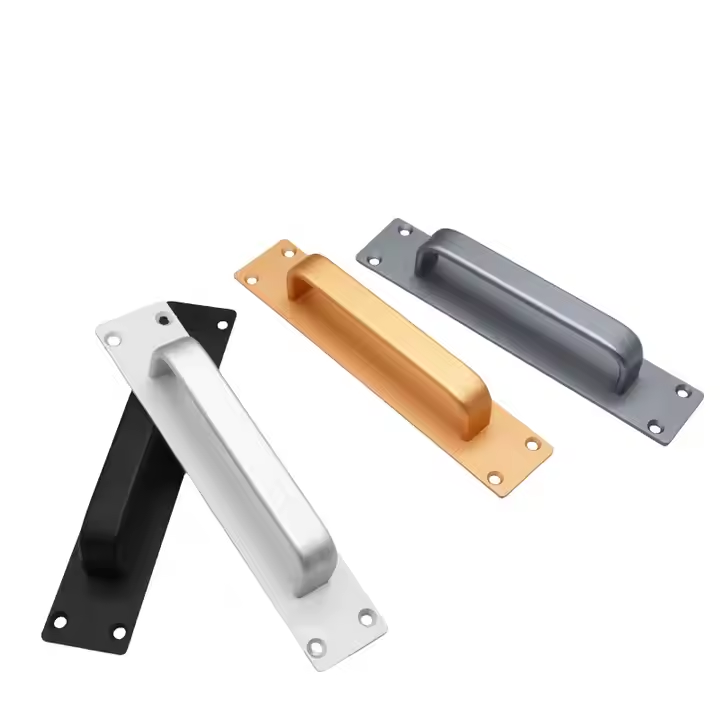
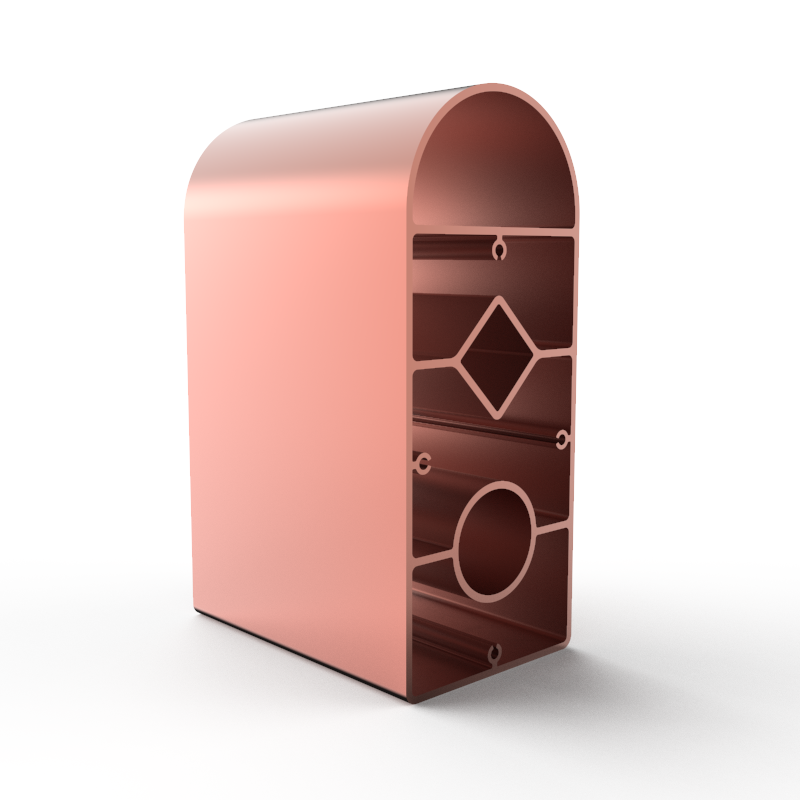
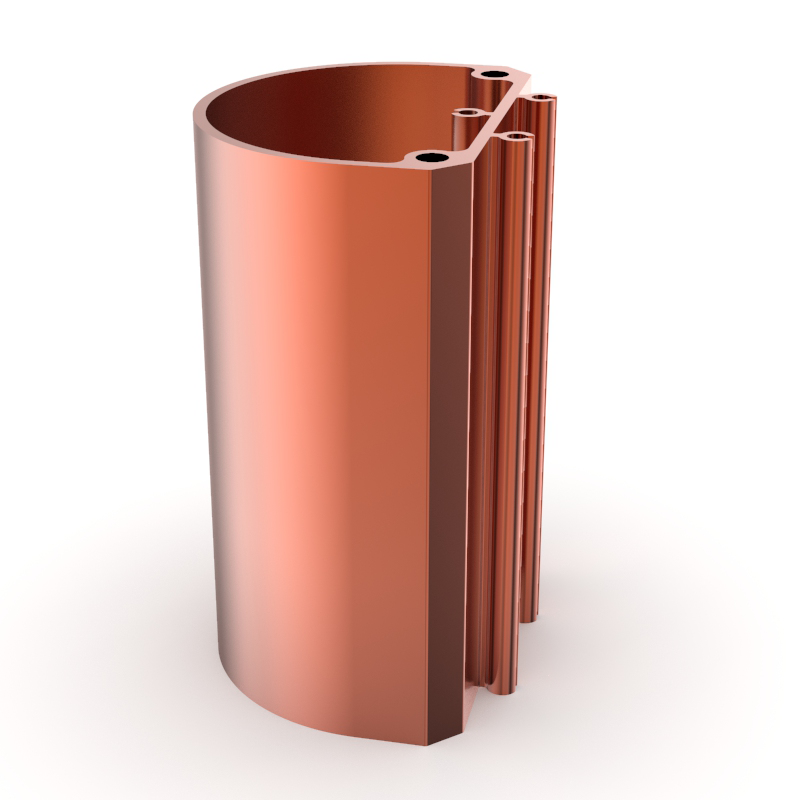
Furniture profile — front perspective Furniture profile — alternate angle Furniture profile — section detail Extruded aluminum door handle reference Window frame fixing trim extrusion reference Architectural window decorative profile reference
Representative manufactured-to-drawing profile examples; final geometry, interfaces and finish follow the approved customer drawing.
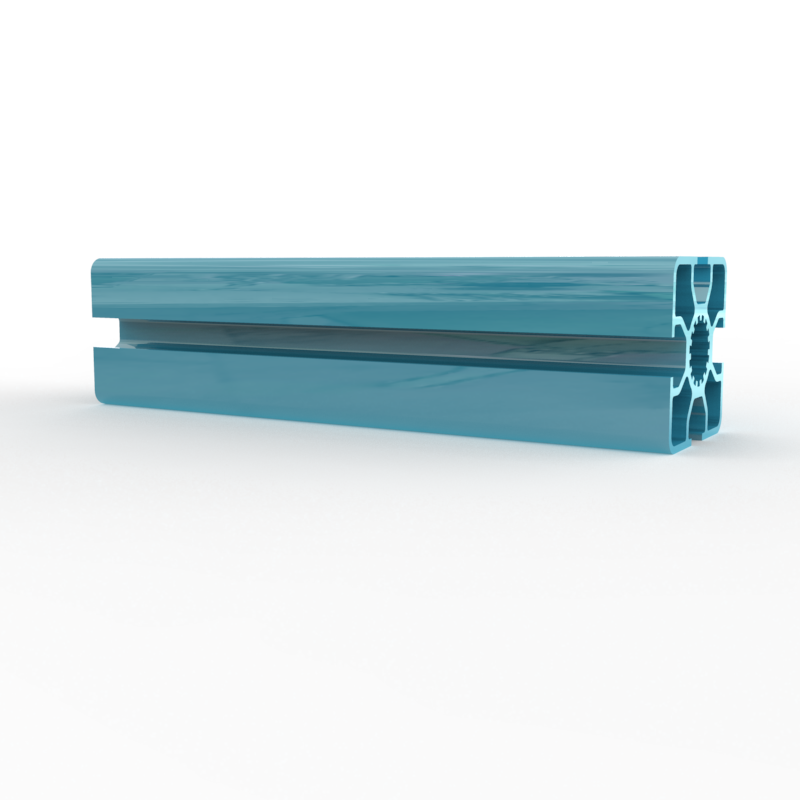
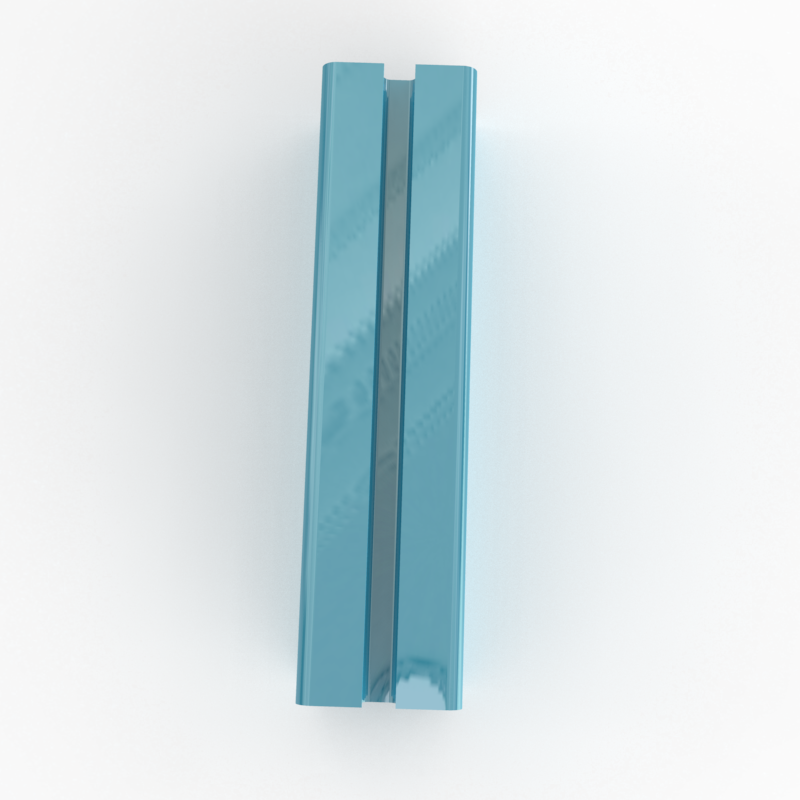
Typical applications
Application Profile role Important inputs
| Application | Profile role | Important inputs |
|---|---|---|
| Automatic sliding doors | Guide track, frame, cover or sensor mounting profile | Door mass, travel, roller interface, installation space |
| Wardrobe sliding systems | Track, frame, handle or panel-retaining profile | Panel thickness, wheel system, opening length, appearance |
| Cabinet and partition doors | Edge frame, pull profile and hardware channel | Panel interface, fastener positions, finish |
| Automated interior mechanisms | Structural rail or actuator support | Load direction, stroke, alignment and service access |
Define the complete moving system
A door or wardrobe profile should be reviewed with the rollers, bearings, panels, seals, fasteners, sensors and actuator hardware. The drawing should identify the functional datum surfaces and the interfaces that control movement. Clearance for assembly, adjustment and maintenance should be considered before tooling.
Geometry, stiffness and wear interfaces
Track straightness, section stiffness and local wall geometry influence alignment and movement. Loads from door mass and repeated operation should be evaluated at the complete-system level. Sliding or rolling contact surfaces may require specific geometry, inserts or replaceable hardware; the final design should be validated by the system manufacturer.
Machining and surface finish
Extruded sections can be cut, drilled, tapped and CNC machined for stops, connectors, sensors and mounting points. Anodizing is often selected for a clean metallic appearance, while powder coating can support interior color requirements. Visible surfaces, finish limits and protected functional interfaces should be marked on the drawing.
RFQ checklist
| Profile data | Dimensioned cross-section drawing, cut lengths and revision |
| System interfaces | Panel, roller, seal, actuator, fastener and sensor dimensions |
| Performance inputs | Door mass, span, load direction, duty cycle and environment |
| Production scope | Alloy, temper, machining, finish and packaging |
| Quantity | Prototype demand, order quantity and annual forecast |
Product and application references
See the Office Furniture Fastener Aluminum Profile , Custom Extruded Aluminum Door Handle – Model 12 , the Furniture & Interior application page , and Chengdacai’s custom extrusion capabilities .
Frequently Asked Questions
Can tracks, handles and mounting channels be integrated into one profile?
A custom cross section can integrate several functions when the geometry remains suitable for extrusion. Critical moving-system interfaces should be dimensioned and reviewed before tooling.
What determines the appropriate alloy and temper?
Section geometry, strength, finish, machining and application environment all matter. The requested alloy and temper should be confirmed during drawing review.
What should buyers include with an RFQ?
Provide cross-section and assembly drawings, door or panel data, hardware interfaces, tolerances, finish, machining, quantities and packaging requirements.
Send your automated door or wardrobe profile drawing for review and quotation.
Frequently asked questions
Can tracks, handles and mounting channels be integrated into one profile?
A custom cross section can integrate several functions when the geometry remains suitable for extrusion. Critical moving-system interfaces should be dimensioned and reviewed before tooling.
What determines the appropriate alloy and temper?
Section geometry, strength, finish, machining and application environment all matter. The requested alloy and temper should be confirmed during drawing review.
What should buyers include with an RFQ?
Provide cross-section and assembly drawings, door or panel data, hardware interfaces, tolerances, finish, machining, quantities and packaging requirements.
Send your automated door or wardrobe profile drawing for review and quotation.
Thank you — your RFQ has been received.
Our engineering team will review your drawing and reply within one business day. A confirmation has been sent to your email.
Need to reach us sooner? WhatsApp +86 15119686849 · chloe@chengdacai.com