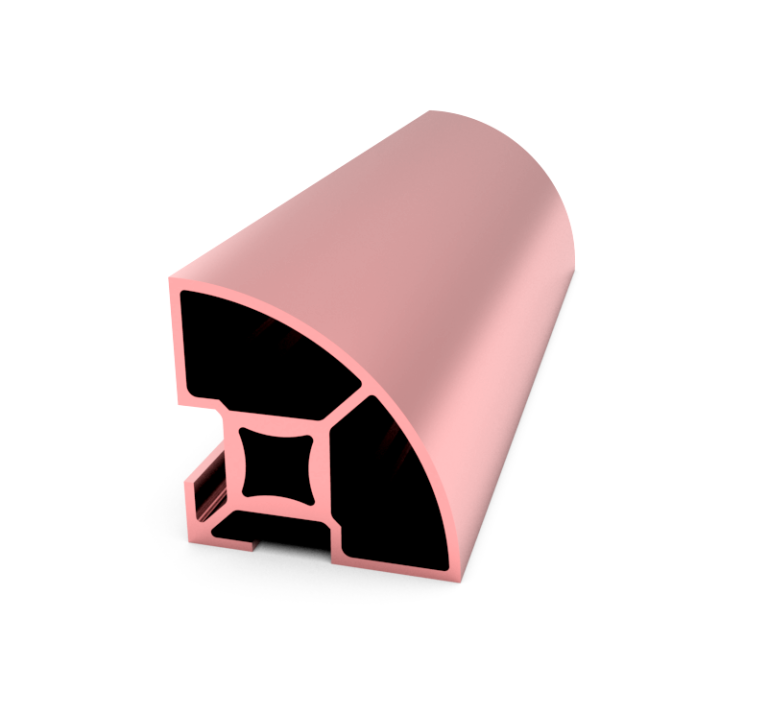
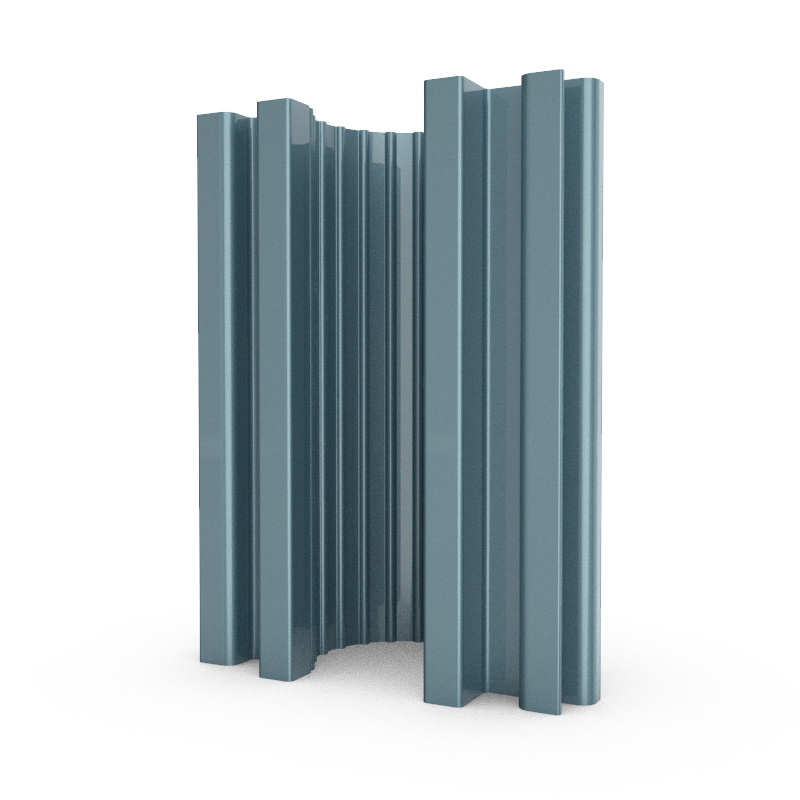
Custom aluminum profiles for automated lighting and LED systems can combine structural support, cable routing, mounting features and thermal-management geometry in one extruded section. This guide helps lighting designers, automation integrators and OEM buyers prepare a manufacturable request for quotation.
Representative Lighting Profile Gallery
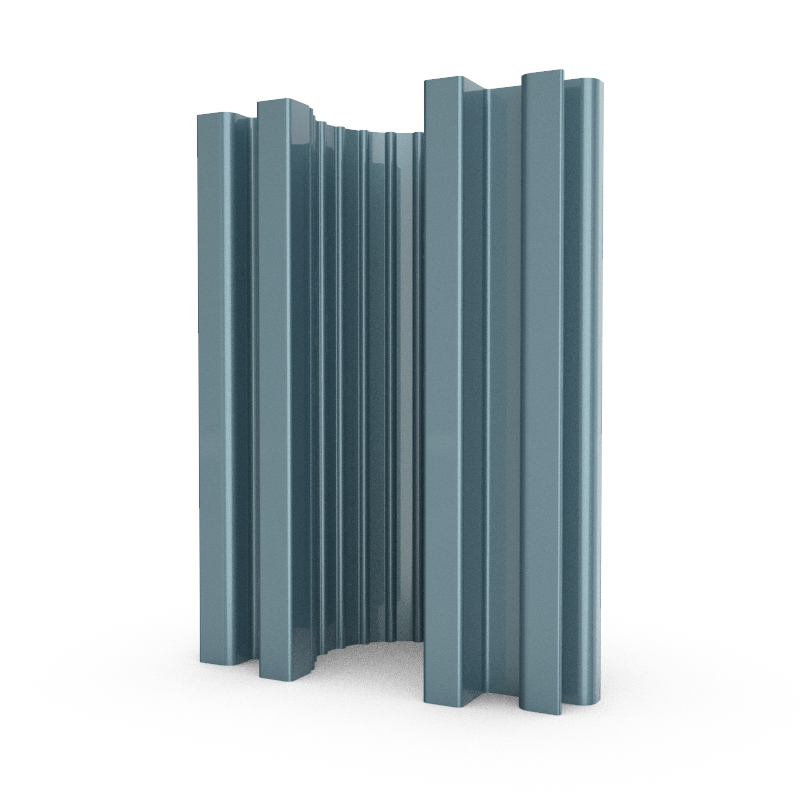
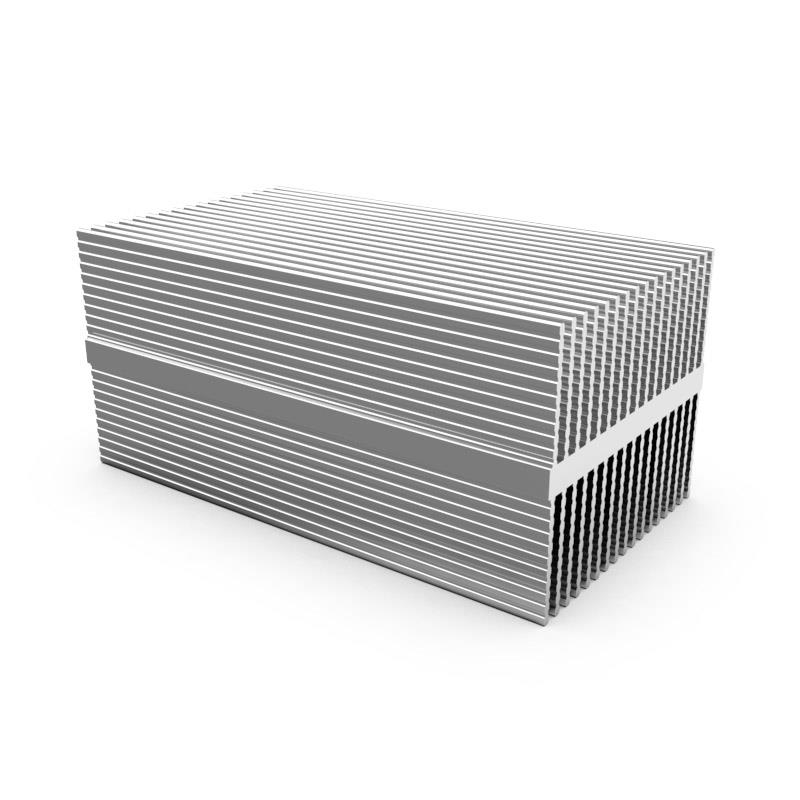
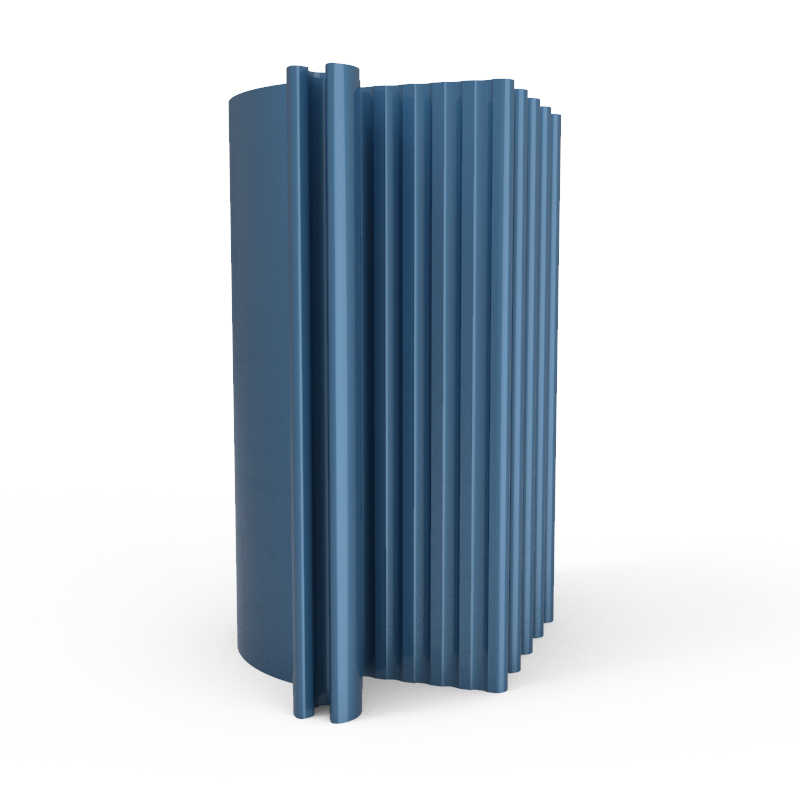
Representative manufactured-to-drawing profile examples; final geometry and finish follow the approved customer drawing.
Typical applications
| Application | Profile function | Key design inputs |
|---|---|---|
| Automated production-line lighting | Fixture body, mounting rail or protective channel | Fixture length, mounting interface, cable route |
| LED strip and linear lighting | LED channel, diffuser seat and heat-spreading body | PCB width, diffuser geometry, thermal load |
| Machine-vision illumination | Rigid housing and sensor-light alignment | Optical position, vibration, access for service |
| Cabinet and display lighting | Low-profile recessed or surface-mounted channel | Installation space, appearance, finish |
Design around the complete lighting assembly
The extrusion should be reviewed together with the LED board, diffuser, end caps, wiring, fasteners and mounting method. Critical interfaces may include PCB grooves, lens seats, screw ports and locating faces. Adequate tool access helps simplify assembly and maintenance.
Thermal and mechanical considerations
Aluminum can spread heat from LED assemblies, but the required cross section depends on power, duty cycle, ambient temperature and airflow. Thermal performance should be confirmed by the buyer’s design analysis and product testing. For automated equipment, section stiffness, joint design and vibration should also be reviewed.
Extrusion, machining and finishing
After extrusion, profiles can be cut, drilled, tapped and CNC machined for connectors, sensors or mounting brackets. Anodizing provides a clean technical surface, while powder coating can match equipment or architectural color requirements. Cosmetic surfaces and protected areas should be identified on the drawing.
RFQ information
| Drawing package | Dimensioned 2D drawing, available 3D file and revision level |
|---|---|
| Material | Requested aluminum alloy and temper |
| Interfaces | PCB, diffuser, fastener, cable and mounting dimensions |
| Secondary work | Cut length, machining, drilling, tapping and finish |
| Commercial inputs | Prototype quantity, annual volume and packaging needs |
Relevant product and capability references
Review the Custom LED Heat Sink product reference, the LED strip lighting channel guide, and Chengdacai’s custom extrusion capabilities, materials and process.
Frequently Asked Questions
Can one extrusion integrate mounting and cable features?
Yes, a custom cross section can include channels, locating faces and screw ports when the geometry is suitable for extrusion and the interfaces are defined in the drawing.
Which finish is suitable for lighting profiles?
Anodizing and powder coating are common options. The correct choice depends on appearance, environment, dimensional interfaces and the buyer’s performance requirements.
What should be sent for an engineering review?
Send the profile drawing, assembly interfaces, alloy, finish, tolerances, cut lengths, quantities and any machining details.
Send your lighting profile drawing for an engineering review and quotation.